You bring value. You have skills, experience, and ideas that make a difference. But are you actually earning what you’re worth? Too many women settle for less—whether it’s accepting a lower salary, undercharging for services, or hesitating to negotiate. It’s time to change that.
Understanding your true financial worth isn’t just about money—it’s about confidence, self-belief, and knowing how to communicate your value effectively. In this guide, we’ll break down why we undervalue ourselves, how to assess our true worth, and the strategies needed to start earning what we truly deserve.

Understanding The Roots of Undervaluing Ourselves
The Psychology Behind Self-Worth and Income
Our beliefs about money and self-worth don’t appear overnight—they’re shaped by childhood experiences, societal messaging, and past financial decisions. If you were raised in an environment where money was scarce or seen as something “hard to earn,” those beliefs can follow you into adulthood.
Many women also struggle with imposter syndrome, feeling they aren’t “good enough” to ask for more, even when they objectively deserve it. This can lead to settling for less pay, not applying for higher-paying roles, or hesitating to increase rates in business.
- Action Step: Write down three beliefs you have about money and self-worth. Are they empowering or limiting? If they’re limiting, reframe them into positive affirmations (e.g., change “I’m bad at negotiating” to “I am learning to negotiate with confidence.”).
The Impact of Gender and Cultural Factors on Earning Potential
Women in Australia still face a significant gender pay gap. According to the Workplace Gender Equality Agency (WGEA), as of 2024, the national gender pay gap sits at 13%, meaning women earn significantly less than men on average for the same work.
Beyond gender, cultural background can also impact earning potential. A study by Diversity Council Australia found that people from culturally diverse backgrounds often experience challenges in salary negotiations and promotions due to unconscious bias.
- Action Step: If systemic factors have influenced your earnings, create a plan to counteract them. This could include seeking mentorship from women in leadership roles, joining professional networks advocating for equal pay, or improving negotiation skills through targeted training.
Assessing Your True Value in the Workplace
Skills and Achievements: Quantifying Your Contribution
Your salary should reflect your contributions—but do you know exactly what those contributions are? Many professionals underestimate their impact because they don’t track their achievements.
Start by listing your key accomplishments over the past year. Did you help increase revenue? Improve processes? Lead projects? These demonstrate value beyond just “doing your job.”
- Action Step: Create a document outlining your achievements, including metrics where possible (e.g., “Increased sales by 15%” or “Streamlined workflow saving 5 hours per week”). Use this when negotiating a raise or applying for new jobs.
The Market Rate: Knowing Where You Stand Industry-Wide
If you’re not aware of market rates for your role, you might be underpaid without realising it. Research salaries for similar positions using sites like Seek Salary Guide, Payscale Australia, or industry reports.
- Action Step: Look up at least three sources regarding salaries in your field today. Compare them with your current compensation and make a plan if there’s a gap.
Communicating Your Worth Effectively
Developing a Strong Case: How to Showcase Your Value
Earning what you’re worth isn’t just about knowing your value—it’s about communicating it clearly. When asking for a raise or pitching your services at a higher rate, data is your best friend.
- Highlight measurable results: “Since I took on this role, I’ve improved customer retention by 20%.”
- Use industry comparisons: “According to market data, professionals with my experience typically earn X% more.”
- Tie it back to company goals: “With my contributions in streamlining operations, I’ve saved the company X dollars.”
- Action Step: Draft a value statement summarising what makes you indispensable in your role or business.
Negotiation Strategies That Work
The biggest mistake people make in negotiations? Not negotiating at all. Yet research shows that those who negotiate salaries earn significantly more over their careers than those who don’t.
- Practice with someone: Role-play negotiations with a mentor or friend before the real conversation.
- Avoid revealing salary history: Instead of stating past earnings, focus on market rates and value added.
- Be prepared for pushback: Have responses ready if an employer says no (e.g., “What would need to happen for me to receive this increase in six months?”).
- Action Step: Schedule time this week to rehearse a negotiation conversation so you’re prepared when the opportunity arises.

Beyond the Paycheck: Other Forms of Valuation
Seeking Out Growth Opportunities
Earning what you’re worth isn’t just about salary—it’s also about opportunities for career growth. Benefits such as professional development funding, flexible work arrangements, and leadership training can be just as valuable as a pay rise.
- Action Step: Identify non-monetary benefits that would enhance your career and well-being. Prepare a case for discussing these perks in your next performance review.
Building a Personal Brand That Reflects Your Worth
Your personal brand—how you’re perceived in your industry—plays a major role in earning potential. A strong LinkedIn presence, speaking at industry events, or contributing thought leadership can boost credibility and open doors to higher-paying opportunities.
- Action Step: Choose three ways to strengthen your personal brand over the next six months—this could be updating LinkedIn profiles, networking at industry events, or starting a blog showcasing expertise.
Overcoming Mental Barriers and Staying Motivated
Tackling The Fear of Rejection
The fear of hearing “no” is often what stops us from asking for more—but rejection isn’t failure; it’s feedback. The key is learning how to depersonalise rejection and use it constructively.
- Reframe rejection: Instead of “I wasn’t good enough,” think “What can I improve next time?”
- Create backup options: If one opportunity doesn’t work out, have alternative income strategies (side hustles, new job applications) lined up.
- Action Step: Write down one past rejection that set you back emotionally. Now list three things that experience taught you—and how it helped you grow.
Sustaining Momentum: Celebrate Small Wins
Earning what you’re worth is an ongoing process—not an overnight transformation. To stay motivated long-term, it’s important to acknowledge progress along the way.
- Create milestone goals: Whether it’s negotiating a 5% raise or landing a higher-paying client—track every step forward!
- Cultivate financial confidence: Create small rewards (a nice dinner out) whenever you hit an income goal!
- Action Step: Create a progress tracker celebrating each step forward towards commanding what you’re truly worth!
Your Next Move: Take Action Today!
You now have everything you need to stop undervaluing yourself and start earning what you’re worth!
- PICK ONE action step above and implement it this week.
- DROP A COMMENT BELOW sharing which strategy you’ll try first! Let’s support each other! 💸💖
- SHARE THIS POST with someone who needs a reminder of their true value! 🚀
Want to Take the Next Step With Your Money?
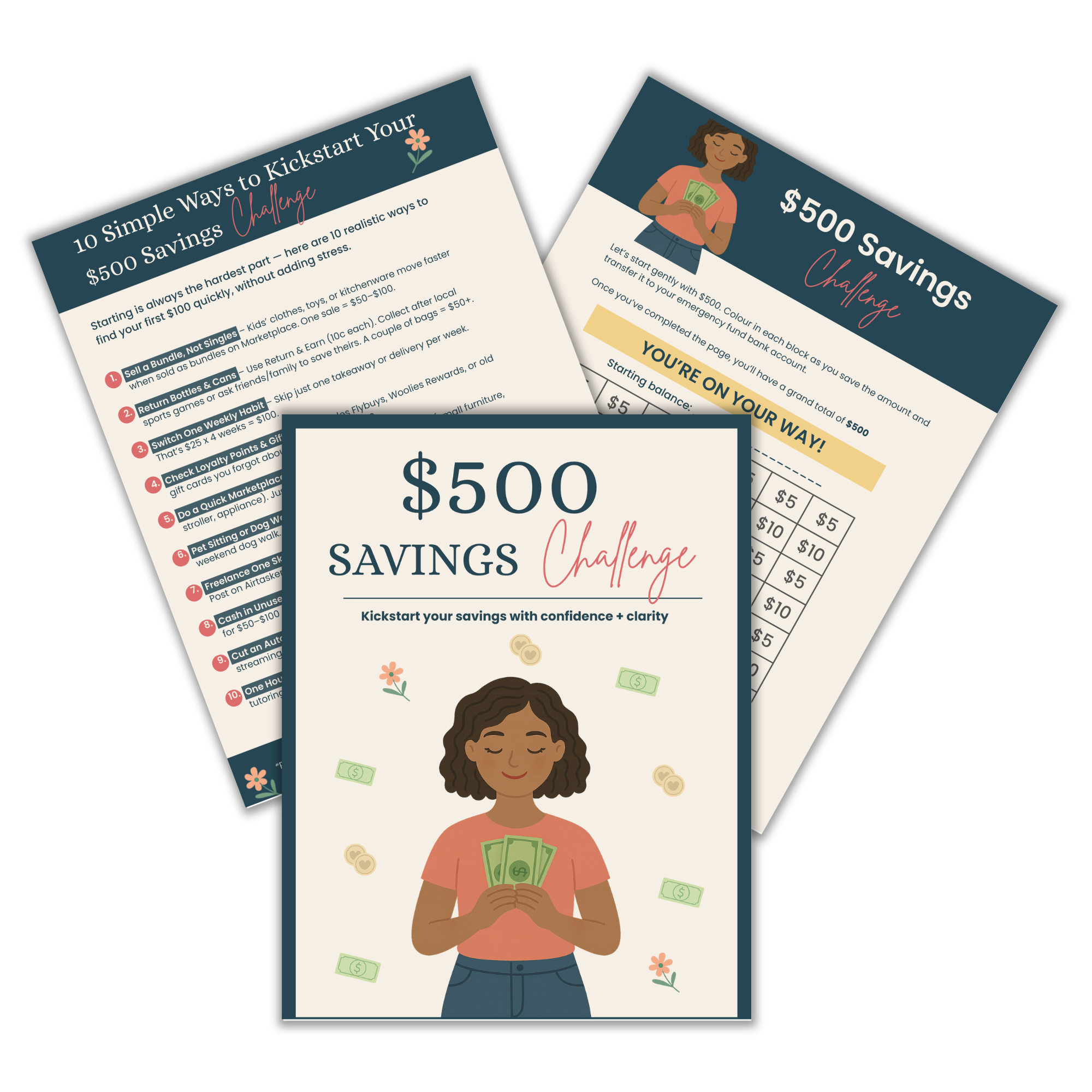
Download the free $500 Savings Challenge and start saving with tiny, realistic wins you can feel proud of.